Wednesday, 6 November 2019

Bitter Sweet Orange

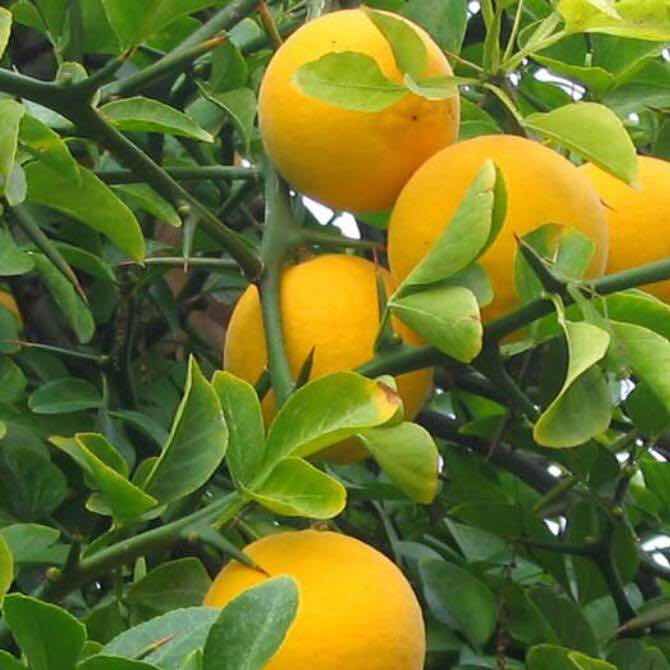
It takes at least two years to make this bitter sweet orange liqueur but the taste is so well worth it. The orange is from a small shrub like tree called Poncirus Trifoliatia or Japanese Bitter Orange tree and is most well known by architects and gardeners who proscribe it as the most effective legal shrub to deter unwanted intruders owing to its exceedingly thorny attributes! 


We are so very lucky to have a knowledgeable aboriculturist in our neighborhood who has a collection of rare and splendid trees in his collection. One of these trees is of the bitter orange variety and he recently presented me with a nice selection direct from his garden. Here they are:
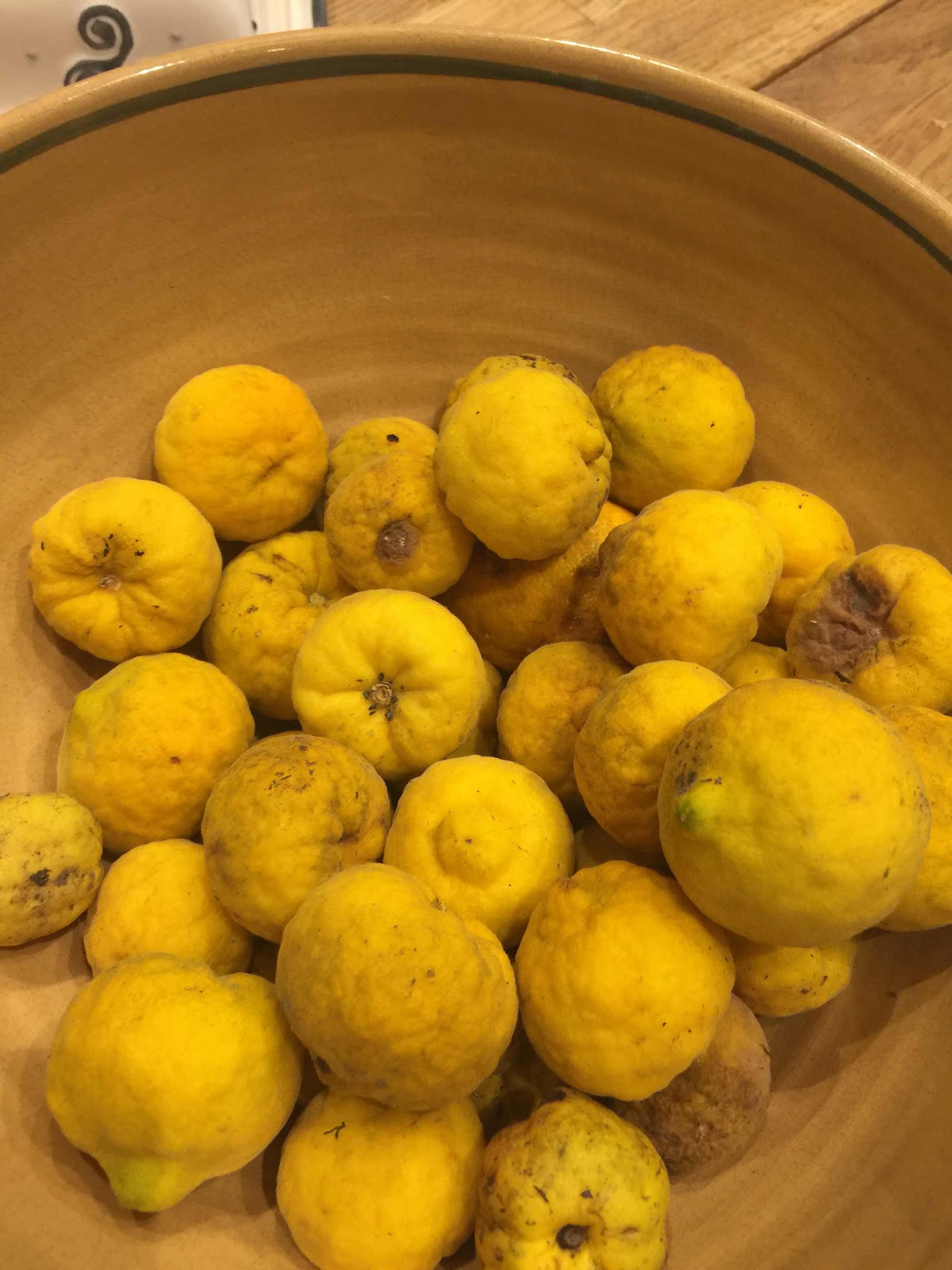


You will see they are small and crab apple like with an intense smell. They are almost all pulp and could be most used in a marmalade recipe. However the orange liqueur is much more exciting and exotic. 

Ingredients

12 bitter oranges
200g white sugar 
1 litre white rum

Method

Bring a large pan of boiling water to boiling point. Clean the oranges and quickly blanch by placing them in the boiling water for 30 seconds. Remove from water and let cool. Stérilise a one litre bottle with wide screw top. Place the sugar in the bottle followed by the oranges and top up with enough rum to cover all the oranges. Screw the lid on tightly and shake vigorously at least every day for the next ten days. Store in a dark cupboard and forget all about it for two years. Check and shake occasionally when you come across it! Probably a good idea to label with date and contents!
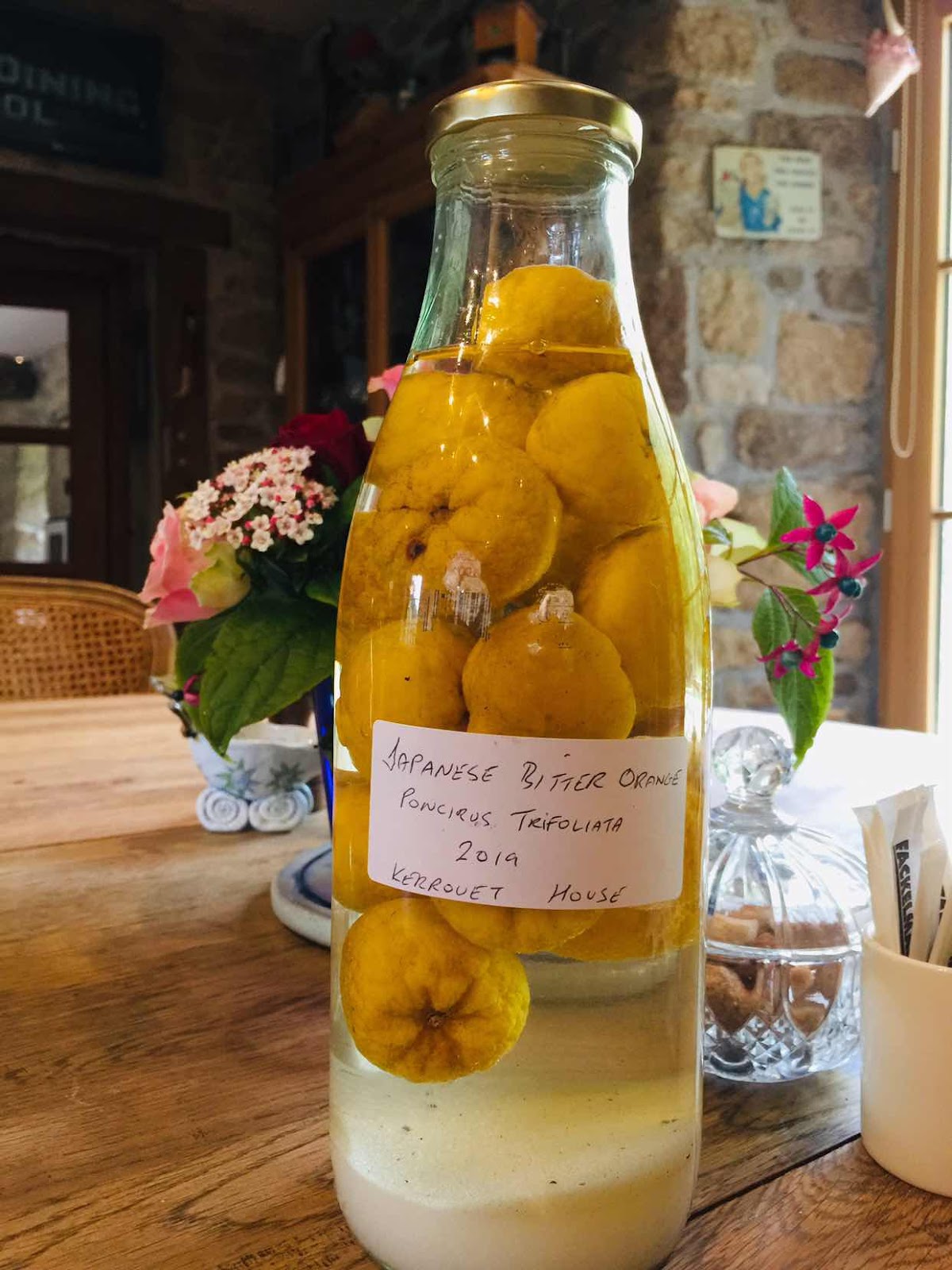


So thank you Chris for your lovely bitter sweet oranges and fortunately always make two bottles because one is never enough. 

Serve as a liquor with chocolate orange cake or as an ingredient with sparkling wine to make a delicious cocktail. 


Wednesday, 23 October 2019

Beraweaka

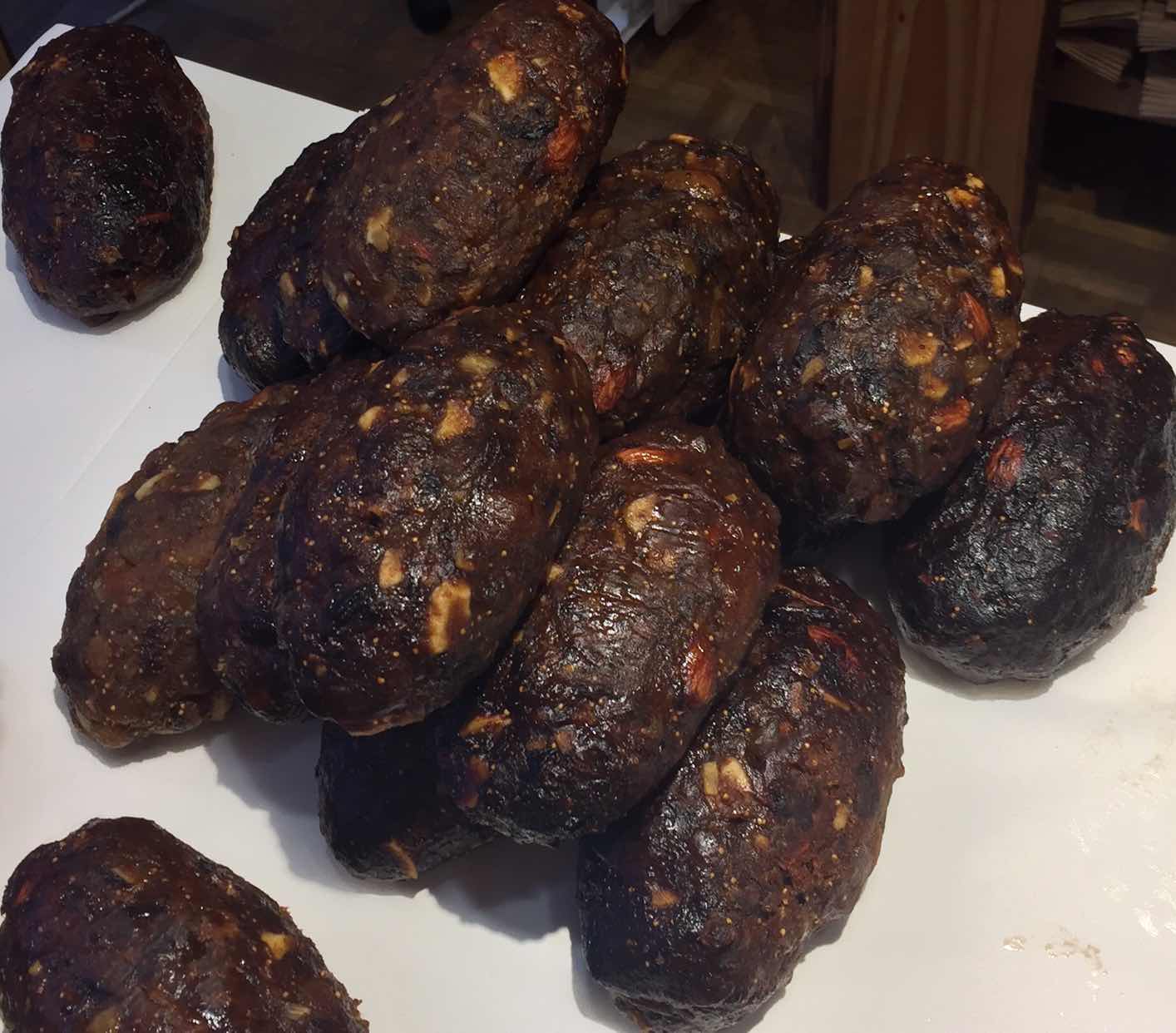
Beraweaka is a medieval fruit pudding cake a bit like black pudding but sweet, hard and full of fruit. It is delicious served thinly sliced with cheese or ice cream.

It adds a festive cheer to your Christmas menu but like most great dishes can be served all year around.


Ingredients for 2 loaves
135g (1 cup) dried currants
150 g (1 cup) dark raisins
75 g (½ cup) diced dried pear
75 g (½ cup) diced dried figs
75 g (½ cup) diced dried apricots
50 g (¼ cup) sugar
125 ml (½ cup) kirsch (cherry brandy)
1 teaspoon dry yeast
80 ml (¼ cup) warm water
275 g (2 to 2 ¼ cup) flour
125 ml (½ cup) milk
30 g (2 tbsp) butter, melted
½ teaspoon salt
pinch of ground cloves
pinch of ground cinnamon
pinch of ground aniseed
50 g (½ cup) slivered almonds
110 g (1 cup, 4 oz) walnuts, roughly chopped
40 g (¼ cup) candied lemon peel, diced
40 g (¼ cup) candied orange peel, diced

Method over two days


Mix all the dried fruits with the sugar and the kirsch in a bowl. Let it marinate for a day at room temperature.

Next day, make a dough. In a large bowl, dissolve the dried yeast in warm water and let stand until bubbles start to form, about 10 minutes. Add half the flour, warm milk, melted butter, salt and spices. Stir everything until well combined. Add as much flour as needed to make a soft dough and knead on a lightly floured surface for a couple of minutes.

Place the dough in a buttered bowl, cover and let rise at room temperature until almost doubled in bulk, about 1 hour (the time depends on the temperature of the room).

Transfer the dough into another large bowl and add the dried fruit, nuts and candied peels. Knead until the fruit and nuts are evenly distributed. Divide the dough in half and shape each half into a log, about 30 cm (12 inches) long. Place logs on a baking sheet lined with parchment.

Let rise for about 30 minutes more. Meanwhile, preheat the oven to 375 F.

Bake the Beraweaka  until firm and pretty dark, about 45 – 55 minutes, rotating the sheet halfway through. Transfer to a rack to cool. Beraweka keeps well in a sealed container.


Wednesday, 2 October 2019

A new dish and a new sauce from Kerrouet


The 17th century French writer, lawyer and politician, Brillat-Savarin, once said "the discovery of a new dish confers more happiness on humanity than the discovery of a new star"! 

So we are delighted to introduce you to Scallops with endives in a Kerrouet Sauce!!


Our chef Poul steadily worked on a sauce and a menu to celebrate one of the three great products of Brittany; scallops, apples and endives. The new sauce also contains a few additional ingredients which when combined together create a truly delicious outstanding dish worthy of the region known throughout the world for outstanding food. It was a no brainer to call the sauce after the village it was developed in Kerrouet. 


Sunday, 29 September 2019

Cafés des Paris


My favorite city in the world is Paris. My favorite way to get there is by train. Fortunately we have an excellent train service from our local station Lamballe direct to the Ville des Lumierès or the City of Lights as  it has been called since it became associated with the Age of Enlightenment. Or was it the installation of the gas lamps?!

Visitors trying to book a train to Paris need to keep away from the main sncf rail website as it's truly complicated and use the oui.sncf one instead! This is also where you will find some great bargains particularly if you are flexible and keep an eye out for the special offers! A routine check earlier today has tickets to Paris from Lamballe in December at only €20 each way!!

Paris has always been a cafè society but it's only over the last decade that the coffee served there has become drinkable. The old cafès bought their coffee beans cheap from the French colonies and unfortunately those Robusta beans are extremely bitter. It's not surprising you needed loads of sugar to compensate and the obligatory cigarette probably helped to remove the taste!

Now all has changed and there are some great cafés out there to hang around, socialise, make friends and enjoy the smoother aromatic Arabica beans! The coffee revolution or as the media referred to "la tendance australienne"was influenced by Australian and US immigrants who brought their demands for a better quality coffee with them. You could say the barista is now as important as the sommelier! So whether you want an iced mochaccino or a simply flat white you will enjoy great coffee all over the city. Here are some of the best cafés to hang out:

La Caféothéque 52 Rue deL'Hotel de Ville 
http://www.lacafeotheque.com/


Télescope 5 rue Villedo, Paris 75001

Fringe 106 rue de Turenne, Paris  75003 http://www.fringecoffeeparis.com/

La Fontaine de Bellville 31 rue Juliette,  Dodu,  Paris 75010     https://cafesbelleville.com/pages/la-fontaine-de-belleville?lang=en

Grand Café Tortoni 45 rue de Saintonge, Paris 75003
https://fr-fr.facebook.com/grandcafetortoni/


Coutume   47 rue de Babylone, Paris 75007
https://coutumecafe.com/s/3214/Coutume+Babylone#d%C3%A9gustations


Saturday, 31 August 2019

Saison des Coques


It was a lovely sunny day today at Le Plage du Moulin on the beautiful Brittany coast of Etables-sur-Mer. We had decided to take Scoobeaudoo to the seaside as he loves to swim!  There was an army of people on the beach with little buckets and sand rakes and spades. No one was in swimming despite the sea being warm. The business was strictly cockle hunting as the saison des coques is in full swing. Everyone was at it men women children and grandparents too! There was an air of excitement and bon humeur despite the dedication of all present to extract the last tiny cockle from its sandy bed.


Cockles are a delicious sea food and so easy to cook. All you have to do is wash thoroughly and then in a pan add a little butter and oil. Add sliced onion (Little red Roscoff onions are best) but any decent onion or two along with a few cloves of garlic. Fry gently until tender then add boiling water ( enough to cover the cockles) along with a half litre of dry white wine (I use a Muscadet) along with sea salt and pepper to taste. Gently simmer for no more than five minutes and serve with a sprinkle of chives or parsley and some bread! 

Voilà lunch is served! 


Cooking Course Schedule 2020


Our 2020 cooking schedule is now out. All 6 day cooking courses cost Euro 1450 per adult (child rate 15-18 year old rate is Euro 750). Courses start on Sunday with check in and evening meal included. Accommodation is available on request and includes B&B at the school from Euro 350 for 6 nights (own bedroom with bathroom) or a selection of local gites (from Euro 350 to 550). Courses finish after breakfast on Saturday morning. Lifts to and from the local rail station of Lamballe are also available. W recommend car hire for those who drive so that you can explore the many extraordinary sights around us.

New Year Special Cooking Course *

28 December 2019 - 3 January 2020  This unique New Year Course has extra goodies including a special champagne banquet and New Year's Dinner. The cost is Euro 1995 per person. Black tie Dinner.

2020 Schedule:

1 to 7 March
15 to 21 March
29  March 4 April
12 to 18 April
26 April 2 May
17 to 23 May
31 May 6 June
14 to 20 June
28 June 4 July
12 to 18 July
26 July 1 August
9 to 15 August
23 to 29 August
6 to 12 September
20 to 26 September
4 to 10 October
18 to 24 October
1 to 7 November
15 to 21 November


* 29 December 3 January 2021 (New Year Special)

 
Please note:
We can arrange private cooking classes outside of these dates on request.
Please note that class sizes are kept to a maximum number of ten so that everyone gains direct hands on experience of cooking with our Michelin trained chef.
All classes are of five days duration inclusive of lunch and dinner each day at the school except lunch Thursday (market day).
All classes are in English. We also speak French, German, Danish, Swedish and Norwegian!
 Non participant guests may attend for lunch and dinner by arrangement.
There is a break each day following lunch and before dinner allowing students time to relax or explore the local area (normally between 2.30pm and 6.00pm). Bring comfortable walking shoes!
This is a famous cycling area. Electric Bicycles are available to hire (20 Euros per week) on request. Ask about our selected cycle routes.
Menus change regularly to reflect the local food markets and seasons.
Students should advise us in advance of any special needs or food allergies.
We recommend all visitors to France to take out full travel insurance for their trip.

Tuesday, 11 June 2019

Saumon Norbert

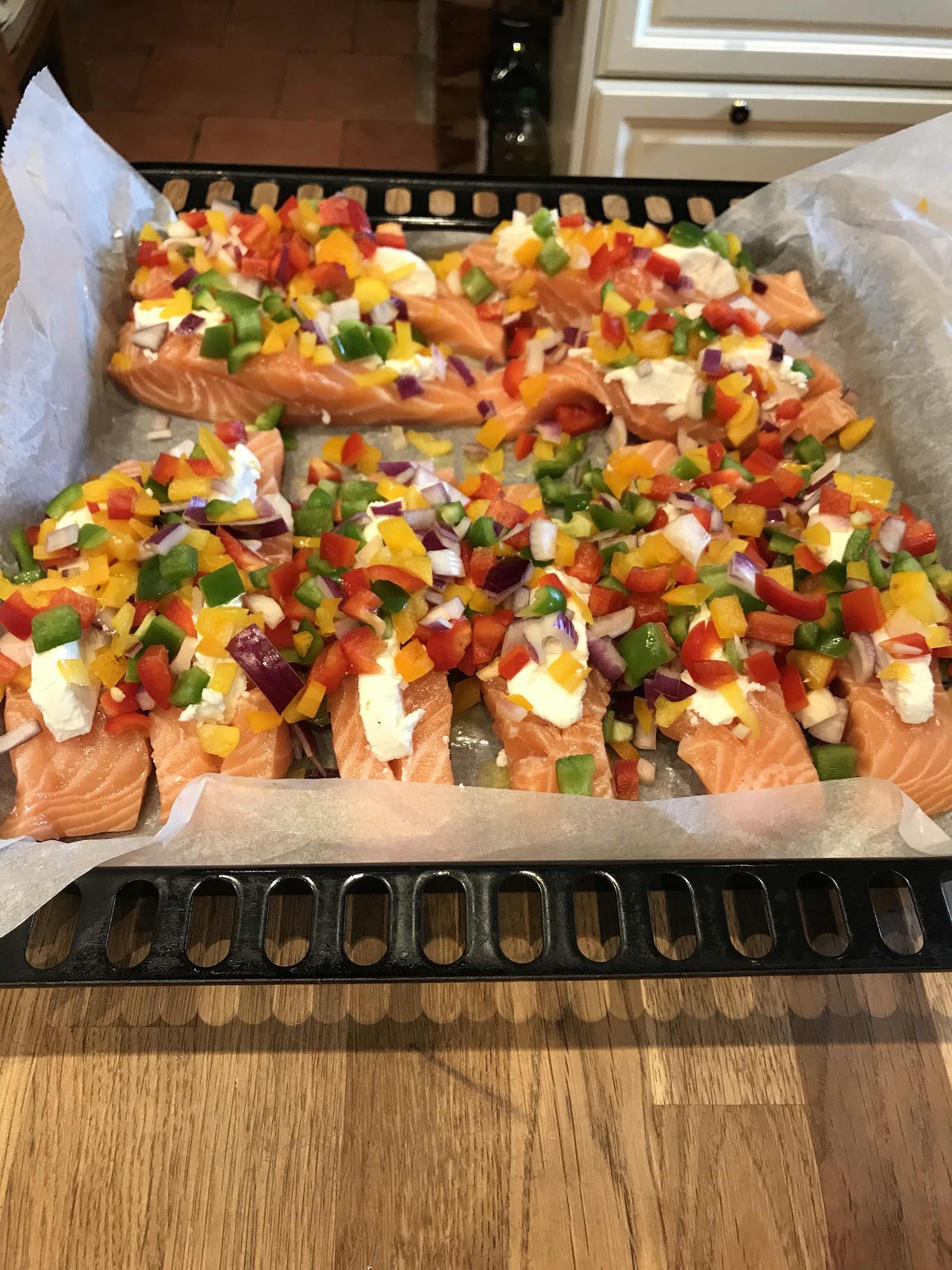
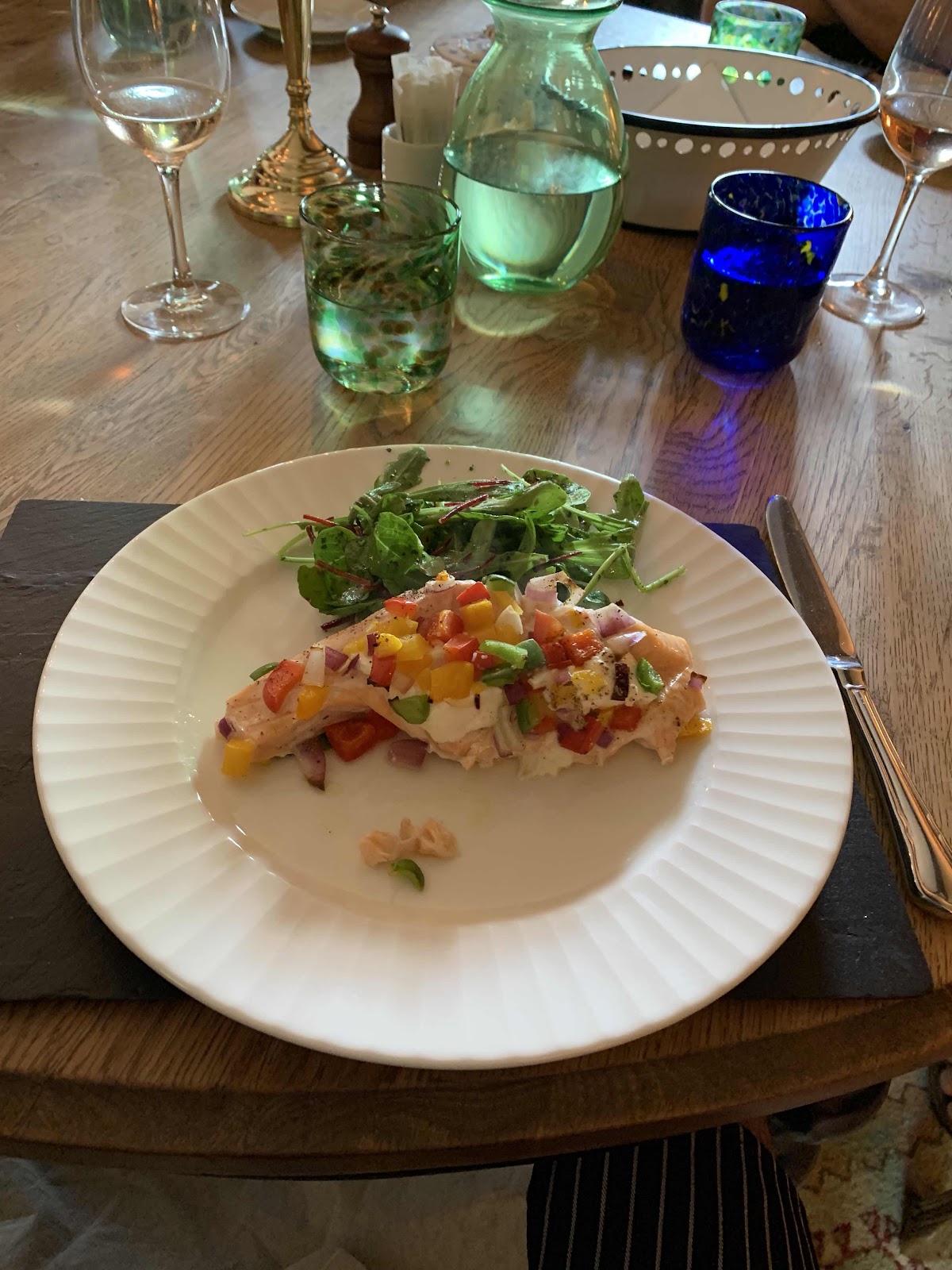
Not  many people know of Saumon Norbert. That’s because it is a recipe we developed at Kerrouet House and named it after one of our students (Norman Hatcliff) who was celebrating his 65 birthday with us! It’s a simple and delicious dish and I am sure you will love it! 


Ingredients:

150g/5.5ozs of salmon filet per person 
1 red onion diced
1 red pepper diced
1 green pepper diced 
1 yellow pepper diced 
1 roll of goats cheese sliced

Method

Preheat oven to 240C/460F

Make an insertion in the middle of each salmon filet and insert the slice of goats cheese. Sprinkle the mix of vegetables on top. Place the salmon filets on greased baking paper and season with salt and pepper. Bake the salmon for 10 minutes. Serve with salad and a dash of basil oil.